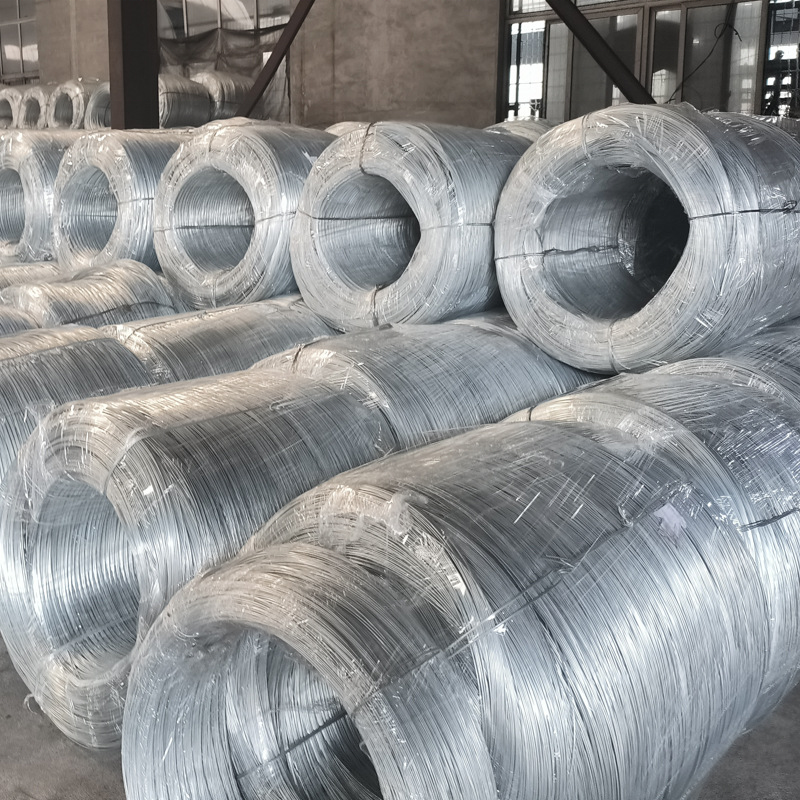
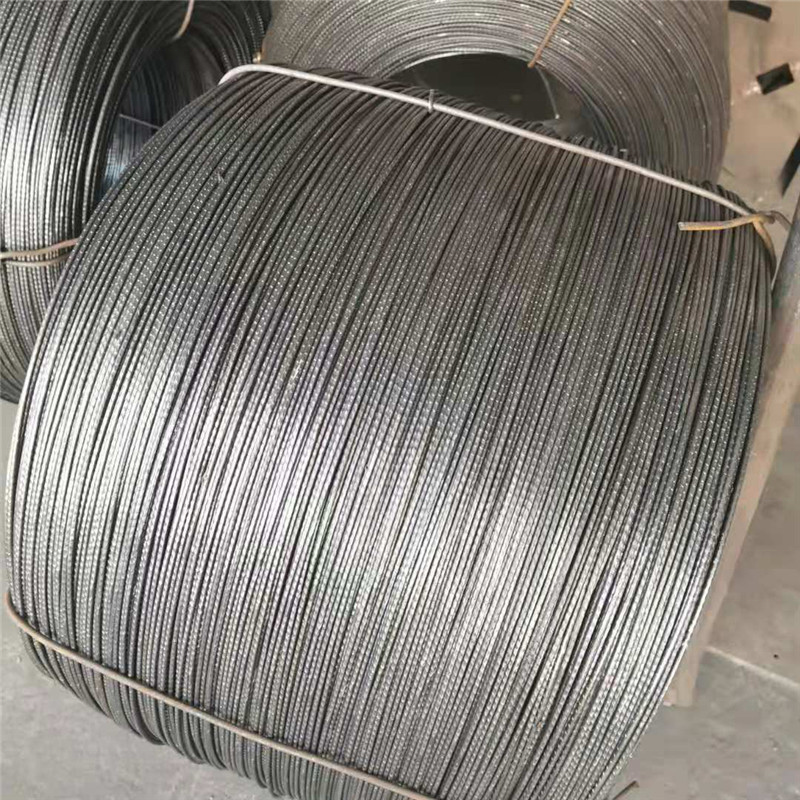
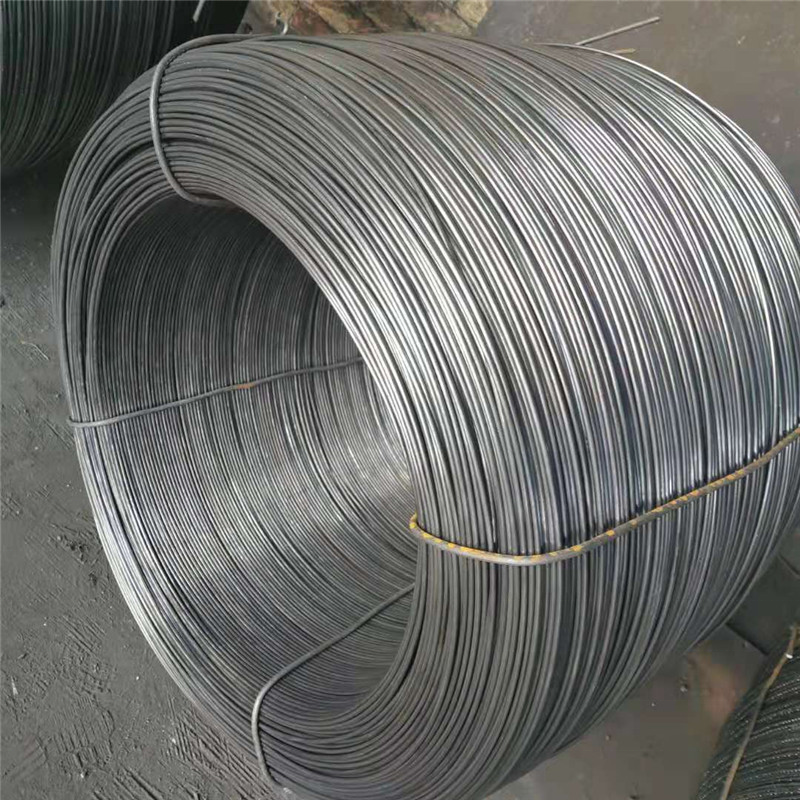
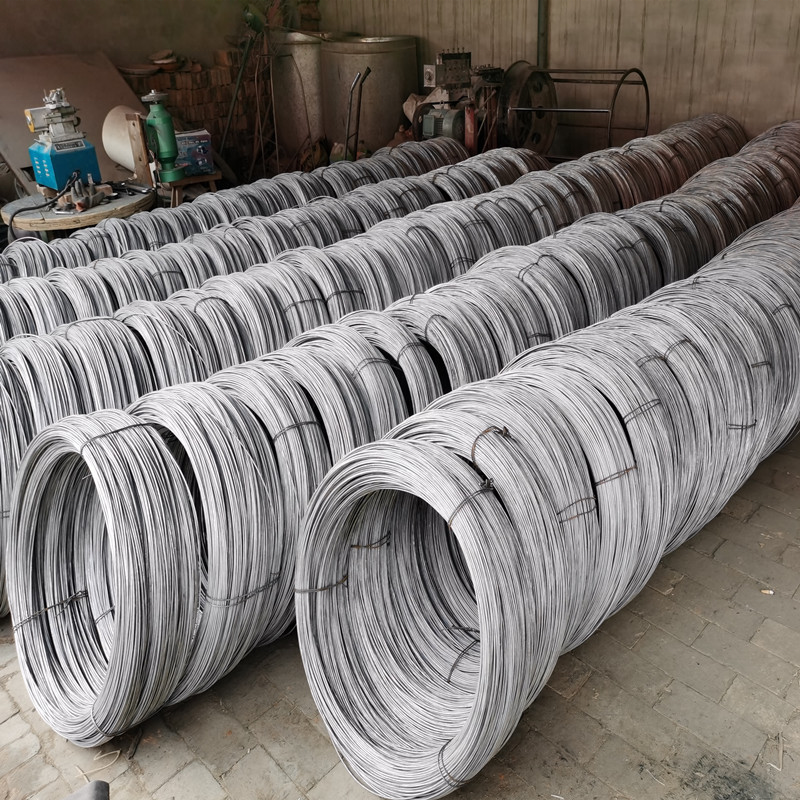
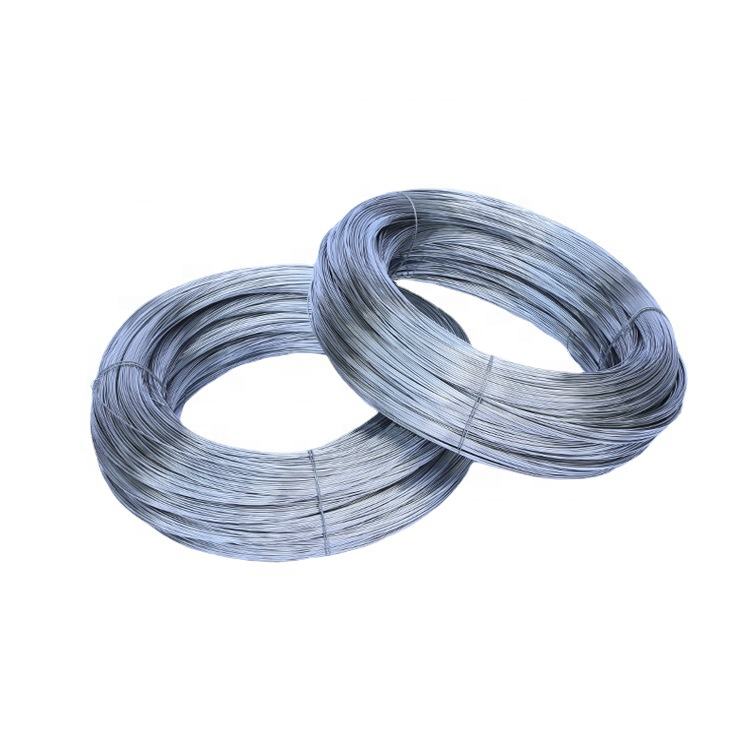
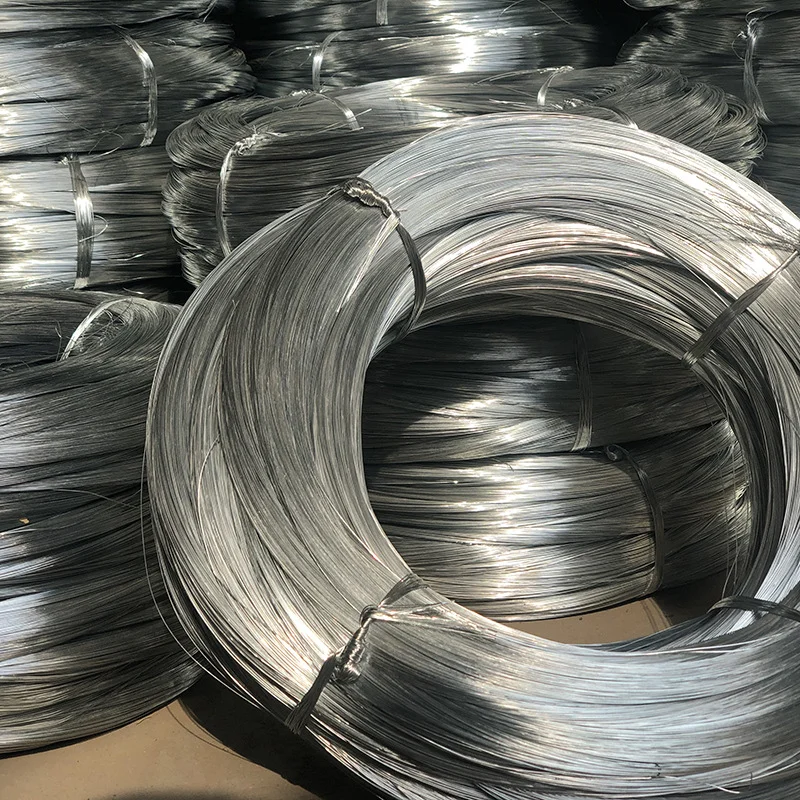
Q195 or Q235 Low Carbon Steel Iron Wire Drawn Wire for Nail Making in China with Low Factory Price
ZCXH
Shandong, China
17-24days
1000 tons/ month
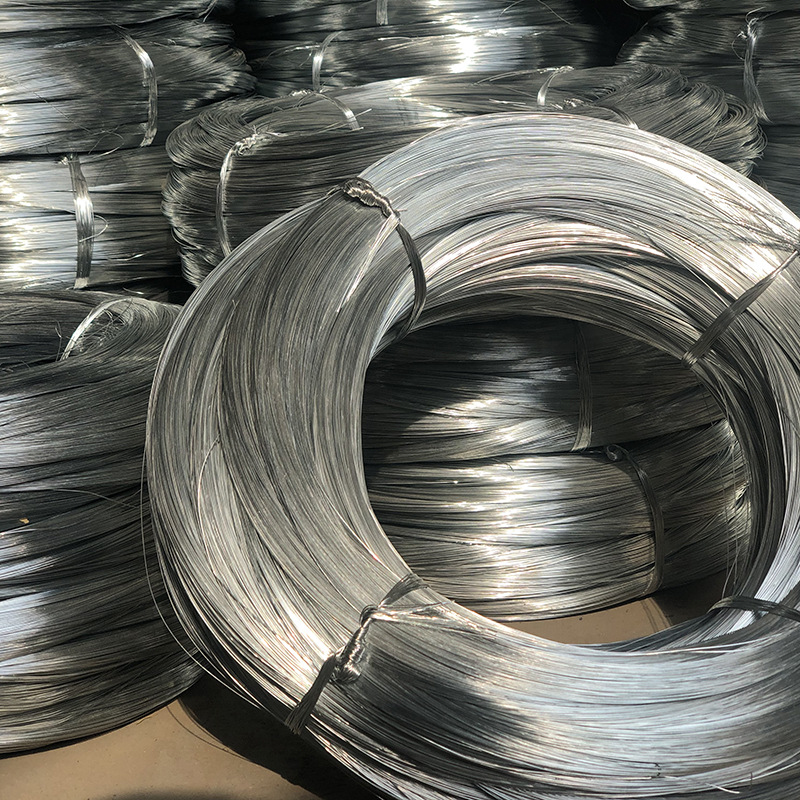
Our Q195 and Q235 low carbon steel iron wires, specifically drawn for nail making, offer exceptional value and performance, sourced directly from Chinese factories at competitive low prices. Crafted from high-quality low carbon steel, these drawn wires boast excellent ductility and tensile strength, ensuring smooth forming and reliable durability in nail production. The precise drawing process guarantees uniform diameter and consistent hardness, making them easy to cut, shape, and sharpen—streamlining manufacturing efficiency. Ideal for both industrial-scale nail production and small workshops, these wires balance cost-effectiveness with quality, meeting strict standards for nail strength and longevity. With direct factory supply, we deliver affordable solutions without compromising on functionality, making them a top choice for nail manufacturers seeking reliable, budget-friendly raw materials.
Range: Common diameters are 0.8mm-6mm (covers nail sizes from tiny decorative nails to large construction nails). The tolerance is strictly controlled within ±0.02mm—ensures the finished nail’s shank thickness is uniform, avoiding uneven force during nail head forming (e.g., lopsided nail heads).
Smooth Surface: After multiple passes of cold drawing and surface treatment (e.g., pickling, phosphorization), the wire surface is free of burrs, rust, or oxide scales. This reduces wear on nail-making machine dies (extending die life by 30%+), lowers maintenance costs for nail factories, and ensures the finished nail’s surface is smooth (no scratches that affect appearance).
2. Uniform Hardness & Ductility Balance
Cold Work Hardening Control: The drawing process adjusts the "work hardening" degree to match nail making needs:
The wire’s surface has moderate hardness (HV 180-220) to withstand the pressure of nail head stamping (avoids deformation during head forming).
The core retains good ductility to prevent the wire from breaking when bent into nail points (a key issue for low-quality wires).
Consistent Performance: Chinese factories use automated drawing lines (with tension control systems) to ensure each coil of wire has uniform hardness and elongation. This avoids "batch differences" that cause frequent machine adjustments in nail production (improving production efficiency by 15%-20%).
3. Coil Packaging for Continuous Production
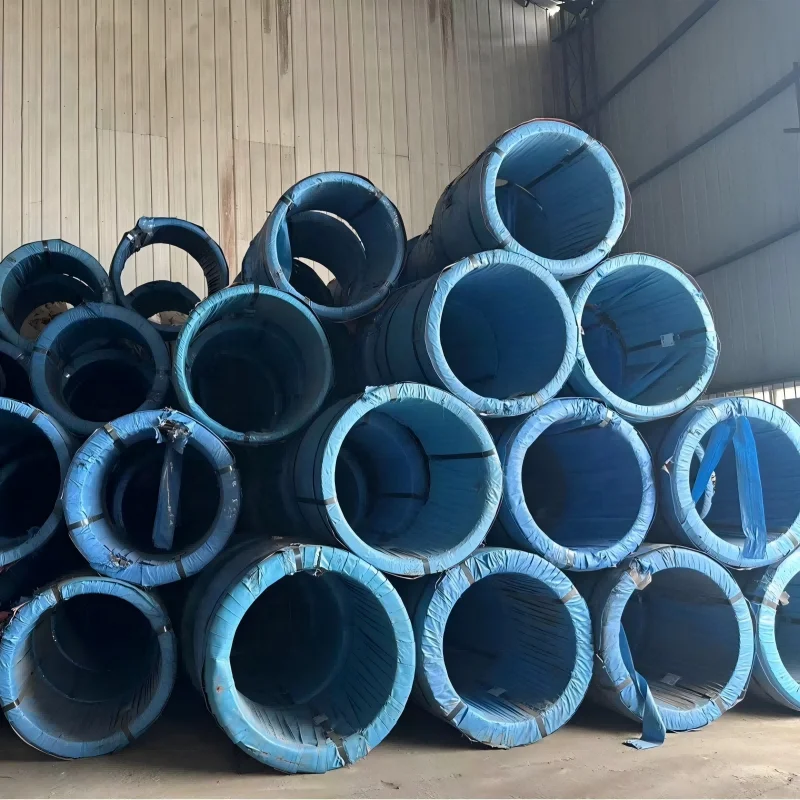
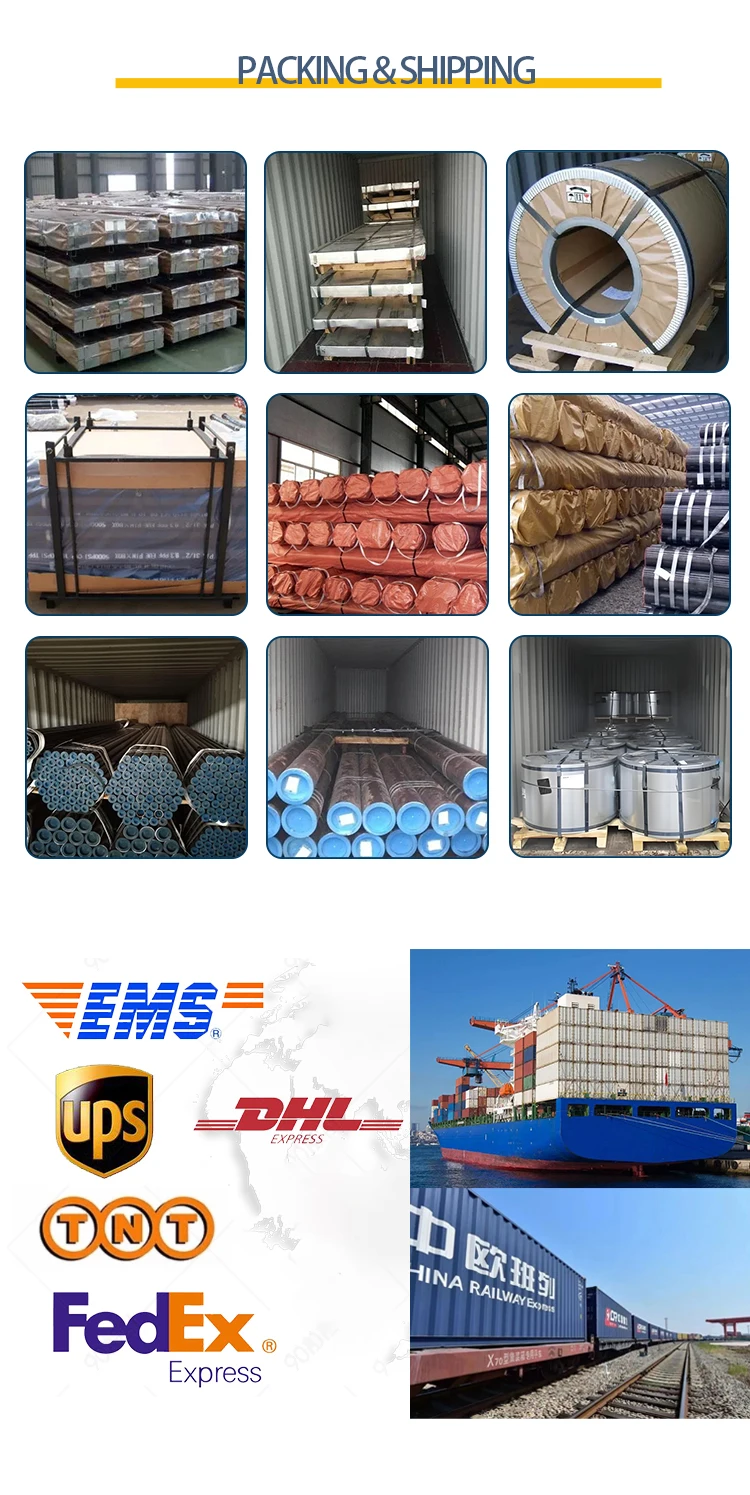
Large Coil Weight: Factory-direct wire is usually packaged in 200kg-500kg coils (instead of small 50kg coils). This allows nail-making machines to run continuously for 8-12 hours without coil replacement, reducing downtime and labor input for workers.
Anti-Rust Protection: Coils are wrapped in moisture-proof PE film + kraft paper, with an inner layer of anti-rust oil (for long-term storage). This is critical for Chinese nail factories (many store raw materials for 1-3 months), ensuring no rust during storage even in humid southern China.
item
value
Grade
q195/q235/sae10061008 1010
Standard
AiSi
Place of Origin
China
Shandong
Alloy Or Not
Is Alloy
Delivery Time
15-21 days
Steel Grade
Q195/Q235/SAE1006/SAE1008
Type
galvanized
Tolerance
±1%
Application
Construction
Special Use
Free Cutting Steel
Model Number
Brand Name
ZCXH
Processing Service
Cutting, Decoiling, Punching, Welding, Bending
Product name
Galvanized Steel Wire Rope
Application
Construction Materilals
Material
Q195/Q235/SAE1006/SAE1008/HPB300
Key word
Steel Wire Rope Galvanized
Usage
Construction Structure
Packing
Standard Seaworthy Packing
MOQ
1 Ton
Sample
Provide
Payment Term
30%TT Advance + 70% Balance
Surface
Galvanised Zinc
Scale Production & Automated Processes
Chinese drawn wire factories (concentrated in Hebei, Shandong, Guangdong) have large production scales (daily output 50-200 tons per factory). Mass production reduces unit energy consumption (cold drawing uses 80-120 kWh/ton, lower than small-scale plants) and labor costs (automated lines need only 2-3 operators per shift).
Direct Sales Model (No Middlemen)
Most factories sell directly to nail manufacturers (via local agents or online platforms like Alibaba), cutting out 1-2 middlemen (who typically add 10%-15% markup). Factory direct prices are usually ¥5,500-¥7,000/ton (depending on diameter and quantity)—30% cheaper than purchasing from distributors.
Flexible Ordering for Small-to-Large Buyers
Even small nail factories (with monthly demand of 5-10 tons) can get wholesale prices, as Chinese factories accept "small-batch mixed orders" (e.g., 2 tons of Q195 2mm wire + 3 tons of Q235 4mm wire). This lowers the entry threshold for small businesses, which is rare in high-cost export markets.
High Compatibility with Domestic Nail Machines: Designed to match the specifications of mainstream Chinese nail-making machines (e.g., Z94 series, Z95 series). The wire’s rigidity and ductility ensure smooth feeding, stamping, and pointing—no need to modify machine parameters (saves time and reduces machine damage).